
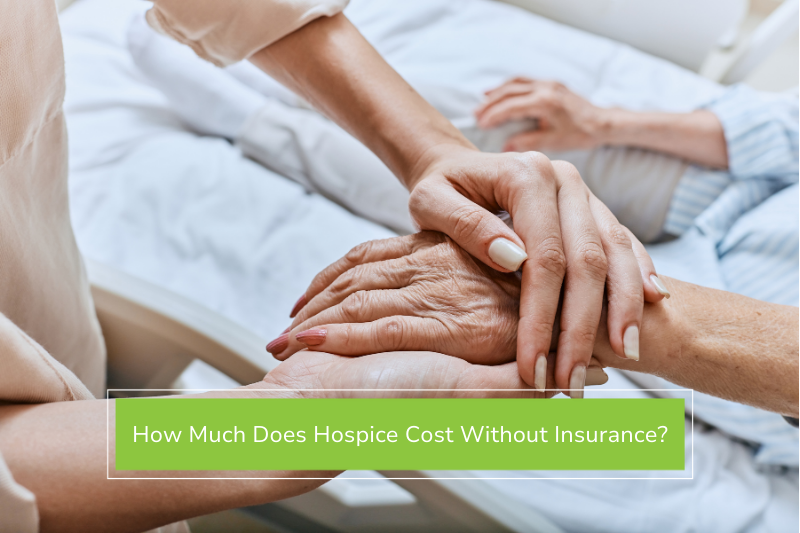
Hospice care plays an essential role in supporting patients and families through the challenges of terminal illness, but one of the biggest concerns is often financial. Families understandably ask, how much does hospice cost without insurance? The answer can vary widely depending on the type of care, the setting, and the specific medical needs involved. Without insurance, the expense of hospice care can feel overwhelming, especially when paired with other end-of-life costs.
The purpose of this article is to break down what hospice typically costs, explain the factors that influence those prices, and outline what options exist for paying out of pocket. From in-home care to inpatient hospice facilities, costs can shift dramatically based on the level of support and services provided. Understanding these details in advance helps families plan ahead and avoid unexpected financial stress during an already difficult time.
For those with a life insurance policy, additional financial solutions may also be available. Options like life settlements allow policyholders to access the value of their policy, which can help cover hospice expenses and ease the burden on loved ones. This guide is meant to serve as both a practical resource and a compassionate companion, helping patients and their families navigate hospice care with greater clarity and confidence.
Key Takeaways
- Hospice care without insurance can range from $150–$500 per day, or $5,000–$15,000 per month, depending on the level of care.
- Prices vary based on care setting (home vs. inpatient facility), services provided (medications, equipment, staff), and geographic location.
- Families may find financial support through Medicaid, charitable hospice programs, or by exploring life settlement options.
- Coventry Direct helps policyholders turn their life insurance into cash, which can help cover hospice expenses and reduce financial stress.
What Is Hospice Care and When Is It Needed?
Hospice care is specialized support that focuses on comfort and quality of life rather than curing illness. Its purpose is to manage pain, provide emotional support, and help patients and families navigate the final stages of life with dignity.
It’s most often recommended for conditions like terminal cancer, late-stage Alzheimer’s, advanced heart failure, or COPD–typically when a doctor estimates a life expectancy of six months or less.
Hospice can take place at home, in a hospice center, or in a nursing facility, giving families the flexibility to choose the setting that best fits their loved one’s needs.
How Much Does Hospice Care Cost Without Insurance?
Families often wonder how much hospice costs without insurance. On average, hospice care can range from $150 to $500 per day, or about $5,000 to $15,000 per month, depending on the level of care.
In-home hospice is usually the least expensive (around $150 to $200 per day), while inpatient hospice centers can cost $500 to $700 per day due to 24/7 staffing. Nursing homes and hospital-based hospice often fall in between.
Beyond basic care, additional costs may include medications, medical equipment, palliative treatments, and round-the-clock support. These extra services can make hospice care more expensive than families expect without insurance coverage.
Factors That Affect Hospice Costs
Several factors can influence the overall price of hospice care. The type of facility matters–nonprofit hospices may charge less than private, for-profit organizations. Geographic location also plays a role, as costs in urban areas tend to be higher than in rural communities.
The level of care required depends on the illness. For example, cancer patients may need more frequent pain management, while dementia patients often require longer-term supervision. The duration of care also impacts expenses; the longer a patient remains in hospice, the higher the out-of-pocket total.
Some hospices charge a flat daily or monthly rate, while others bill for individual services such as nursing visits, medications, or equipment, making it important for families to review billing practices upfront.
Caregiver Resources and Support
Managing hospice care can be emotionally and financially overwhelming for caregivers. Fortunately, there are resources designed to help with both planning and support. Many organizations offer guides and online tools to help families understand expected costs, compare facilities, and budget effectively.
Caregivers can also benefit from support groups, counseling services, and community networks that provide emotional relief and practical advice. Connecting with these resources not only helps families plan financially but also ensures caregivers have the strength and support they need during this difficult time.
Paying for Hospice Without Insurance: What Are Your Options?
For families asking how much hospice costs without insurance, it’s equally important to know what financial options exist to manage expenses. In addition to paying out of pocket, several programs and alternatives can ease the burden.
Medicare and Medicaid Considerations
Even if someone doesn’t currently have coverage, they may still qualify for Medicare or Medicaid, which both provide hospice benefits under certain conditions. Eligibility can depend on age, disability status, or income level, and applying promptly can help reduce costs.
VA Benefits for Veterans
Veterans may be eligible for VA-funded hospice care at home, in a VA facility, or through a community partner. Requirements usually include being enrolled in VA health care and having a physician certify a terminal diagnosis with six months or less to live.
Reverse Mortgage
For homeowners, a reverse mortgage can provide funds by tapping into home equity. While not ideal for everyone, it may offer a way to cover hospice bills without depleting other assets.
Religious and Community-Driven Hospice Care
Some religious organizations and community nonprofits provide free or reduced-cost hospice services. These programs often cover essential care and support, easing the financial strain for families with limited resources.
Selling a Life Insurance Policy
Another option is to sell an existing life insurance policy through a life settlement. This may provide immediate cash to help pay for hospice care and related expenses. Coventry Direct specializes in helping families explore this option, which we’ll discuss further below.
What Is a Life Settlement and How Can It Help Cover Hospice Costs?
A life settlement may provide a meaningful solution for families wondering how much hospice costs without insurance. A life settlement is the sale of an existing life insurance policy to a licensed buyer in exchange for a lump-sum cash payout. Instead of surrendering or letting the policy lapse, the policyholder can receive immediate funds to cover hospice care and other expenses.
Typically, those who qualify are age 65 or older, hold a policy with a face value of at least $100,000, and may have experienced a decline in health. Eligibility can vary, but many people are surprised to learn they could qualify even if they no longer need or can afford their policy.
Life settlements can help cover the cost of hospice care, medical bills, or other end-of-life needs–offering financial relief when it matters most. Coventry Direct specializes in guiding families through the life settlement process, making it simple and efficient to assess the value of a policy when it’s needed most.
Covering Hospice Costs with Help from Coventry Direct
Hospice care is essential for providing dignity and comfort at the end of life, but paying for it without insurance can feel overwhelming. Families often face unexpected bills and limited options, leaving them searching for financial solutions during an already difficult time.
That’s where Coventry Direct can help. By unlocking the value of an existing life insurance policy through a life settlement, families can access the cash they need to pay for hospice care, reduce financial stress, and focus on what truly matters–supporting their loved one.
If you’re navigating the challenges of hospice care and worried about costs, Coventry Direct is here to help. Contact us today for a free consultation and policy review, and explore whether a life settlement could provide the financial relief your family needs.
FAQs About Paying for Hospice Care without Insurance
How much does hospice cost per day without insurance?
On average, hospice care costs between $150 and $500 per day without insurance. Prices depend on the type of care provided, the facility, and geographic location.
Does hospice care charge upfront fees without insurance?
Some hospice providers may require a deposit or repayment before services begin, especially for inpatient care. Nonprofit organizations may be more flexible, offering payment plans or financial assistance.
Can you go to hospice without insurance?
Yes, many hospices accept patients without insurance and may use sliding scale fees or charitable programs to reduce costs. It’s always best to discuss payment options with the provider before starting care.
What happens if you can’t afford hospice care?
If hospice feels out of reach, options like charitable care, Medicaid, VA benefits, or a life settlement may help. No one should delay needed care–support is available to ease the financial burden.
Can a life settlement pay for hospice?
Yes, a life settlement allows you to sell your life insurance policy for a cash payout, which can be used to cover hospice and other end-of-life expenses. Coventry Direct can help determine eligibility and guide you through the process.
